
Septic Systems Set Into Properly Prepared Ground
Septic Installation in Greenville for rural and semi-rural homesites that require a complete system before a new home can be occupied
What distinguishes a correctly installed septic system from one that creates problems within a few years is usually the condition of the ground before the tank and field go in. MACK Land & Tree Management LLC prepares and grades the site with the same crew that sets the components, so the tank and drain field are placed into ground that is already at the correct level and draining in the right direction. That integrated approach—site prep and installation handled together rather than handed off between contractors—eliminates the grade mismatches that are one of the most common sources of early system failure on newly developed rural lots.
Installation typically begins with clearing and grading the area designated for the tank and drain field, followed by trenching to the specified depth and setting the system components in sequence. The drain field is maintained at a grade that directs surface water away from it rather than toward it, which is a detail that matters most on parcels with uneven terrain—common on rural and semi-rural land in the Greenville area, particularly near Easley and Pickens where homesites often occupy sloped ground. Confirm with the crew before signing which party coordinates the health department permit and the required inspection, since that step determines when the system can be approved for use.
Schedule a site consultation with MACK Land & Tree Management LLC to assess the parcel and clarify what permitting and site preparation the installation will require.
Why Site Preparation Determines How the System Performs
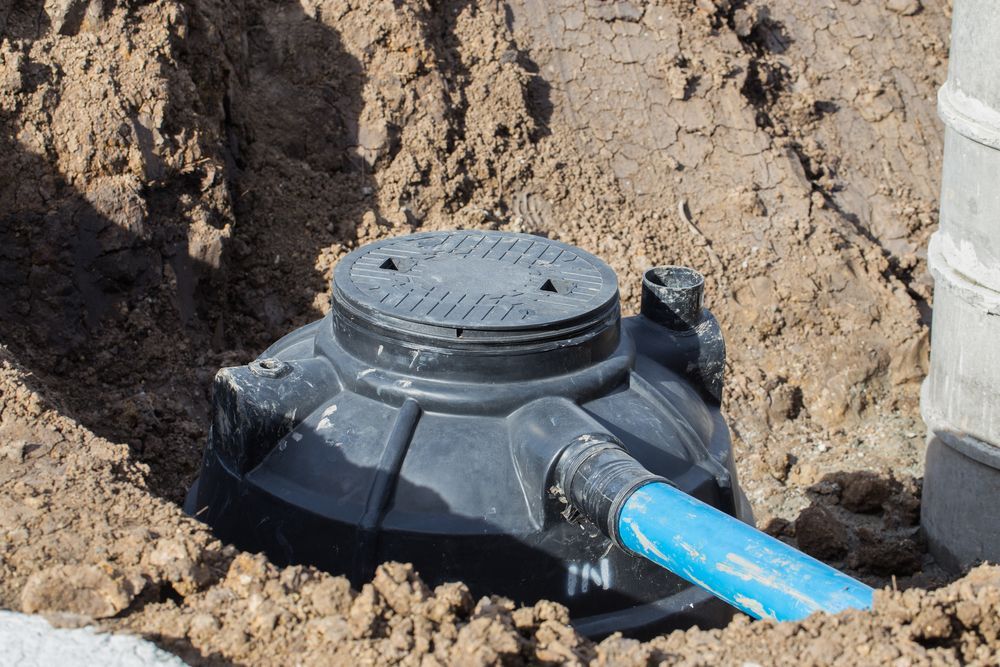
Septic installation on rural parcels that have not previously been developed involves more than setting a tank and laying pipe. The ground must be graded to accept the system correctly, the drain field area must be cleared of root systems that could infiltrate the lines over time, and trenches must be cut to a consistent depth so the pipe runs at a grade that moves effluent by gravity rather than allowing it to pool. When site clearing, grading, and installation are handled by the same crew, each step can be adjusted in response to what the ground reveals rather than working around conditions left by a previous contractor.
Once the system is set and the site is backfilled and graded, the visible result is a level area over the drain field with proper surface drainage, and the tank access point at grade for future servicing. The health department inspection confirms that the installation meets the specifications required for the permit before the site is considered complete. That inspection record is the documentation you will need when the home is sold or refinanced.
The scope of a septic installation varies based on parcel size, the number of bedrooms the system must serve, the results of any required soil evaluation, and the distance from the building to the field area. Those variables are assessed during the site visit and reflected in the estimate, so the final plan accounts for the specific conditions of the lot rather than a standard template.
What to Know Before Septic Installation Begins
These questions address the installation process and the site preparation decisions that affect how a septic system is set on new rural homesites in Greenville.
Why does site grading need to happen before the tank and field are set?
The tank inlet and outlet must sit at specific elevations relative to the building drain and the drain field, and if the grade is wrong before the components are placed, correcting it afterward requires excavating around already-set equipment.
What is included in a typical septic installation scope?
Most installations cover clearing the designated area, grading, trenching, setting the tank and distribution system, laying the drain field lines, and backfilling—but whether permit coordination and inspection scheduling are included should be confirmed in writing before work starts.
How does the drain field placement protect the system long-term?
The field is positioned and graded so that surface runoff moves away from it rather than saturating it from above, and it is kept clear of root zones from existing trees that could infiltrate the perforated pipe over time.
What role does the health department play in a Greenville-area septic installation?
South Carolina's health department issues the installation permit based on a soil evaluation and system design, and the required inspection after installation must be passed before the system is approved—this step is not optional and affects the project timeline.
How does sloped terrain on rural parcels affect where the system components are placed?
On lots with significant grade change, the drain field must be positioned at an elevation and orientation that keeps it draining away from the tank and away from any low areas where effluent could surface, which sometimes means the field cannot go in the most convenient location.
MACK Land & Tree Management LLC also installs septic systems in Greer, Simpsonville, Taylors, Easley, and Spartanburg. To review the specific conditions of your parcel and confirm what the installation will involve, set up a site visit with MACK Land & Tree Management LLC before finalizing your construction timeline.