
Overgrown Land Cleared Without a Debris Pile
Forestry Mulching in Greenville for overgrown rural acreage and brushy pasture that needs to become usable ground
Rural acreage that has grown up in brush, invasive shrubs, and volunteer trees is a common condition on Greenville-area parcels that went untended for several years or were allowed to revert after agricultural use ended. Traditional clearing—cutting, piling, and hauling—generates a debris volume that takes multiple haul trips to remove and leaves the ground disturbed by repeated equipment passes. Forestry mulching works differently: a mulcher head processes vegetation in passes across the land, grinding brush and small trees into a layer of mulch that stays on the ground rather than leaving in a truck. MACK Land & Tree Management LLC performs this work on overgrown pasture and rural acreage in Greenville, turning brushy ground into open, accessible land without the debris removal phase that traditional clearing requires.
The mulcher head works over the vegetation in systematic passes, grinding material down to a ground layer as it moves. Smaller brush, saplings, and most woody growth is handled by the head in a single pass; stumps and larger trunks may be left in place or ground separately depending on the diameter and what the site is being prepared for. Before work begins, confirm with the crew how much material will remain on the ground after mulching and whether any hauling of larger material is included in the scope—that answer determines whether the finished ground is immediately ready for the next use or requires additional clearing work.
Talk with MACK Land & Tree Management LLC about the specific acreage and vegetation type on your parcel before a mulching approach is confirmed.
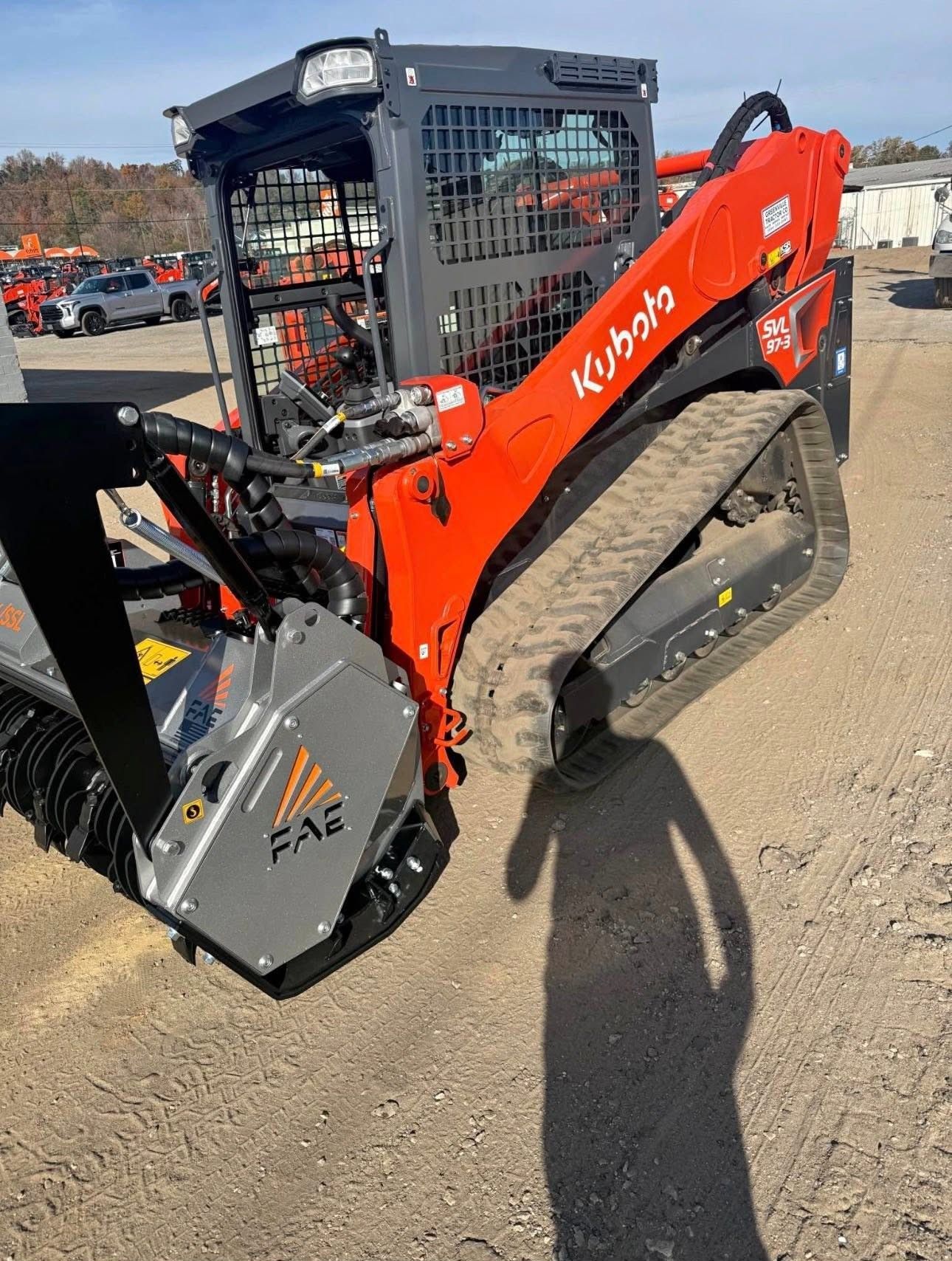
What Forestry Mulching Actually Accomplishes on Overgrown Ground
The practical advantage of mulching over traditional clearing is that it collapses the clearing and debris-handling steps into one operation. There is no burn pile to manage, no waiting for haul trucks to remove cut material, and no repeated equipment access across the same ground to load and move debris. On Taylors and Mauldin-area parcels where overgrown land borders established properties or sits near roadways, that single-pass approach also reduces the time the site looks actively disrupted. The mulch layer left behind breaks down over time and contributes organic material back into the ground.
When mulching is complete, the land is visibly open—you can see across the cleared area and move through it without obstruction. Ground-level brush and the canopy layer it was forming are gone, and the area reads as open land rather than overgrown vegetation. Depending on the intended use, that may be the finished condition, or it may be the starting point for grading, seeding, or construction preparation. The mulch layer on the surface does not prevent those next steps in most cases, but its thickness and composition should be discussed before any grading work follows.
Forestry mulching is well-suited to acreage with dense brush and small-diameter trees up to a certain trunk size; large-diameter hardwoods that exceed the mulcher head's capacity are typically handled separately. The appropriate approach for a specific parcel depends on what is growing there, how thick the stand is, and what the land needs to support afterward. A site conversation with the crew before scheduling the work ensures the mulching plan matches the actual conditions on the ground.
What Property Owners Ask About the Mulching Process
These questions address how forestry mulching works on rural and semi-rural parcels in Greenville and what to expect when the job is finished.
What vegetation types does a mulcher head handle effectively?
A forestry mulcher processes brush, saplings, and small to medium-diameter woody growth efficiently in a single pass; dense hardwood trunks above a certain diameter—typically around six inches at the base—may require separate handling before or after mulching.
How does mulching differ from bush hogging or brush cutting?
Bush hogging cuts vegetation at or near the surface and leaves the cut material lying on the ground; a mulcher head grinds the material into fine chips that break down over time, eliminating the layer of cut brush that bush hogging leaves behind.
What remains on the ground after mulching is complete?
A layer of chipped wood material covers the cleared area—its depth depends on how dense the original vegetation was; ask the crew before work starts how thick that layer will be and whether it needs to be addressed before grading or seeding can begin.
Why are larger stumps sometimes left or handled separately during mulching?
The mulcher head is most efficient on above-ground vegetation; large-diameter stumps below the cut zone may require a dedicated stump grinder to remove the root mass fully, particularly if the site is being prepared for construction or grading.
How do overgrown Greenville-area rural parcels affect how mulching passes are planned?
Parcels that have been untended for years often mix light brush with mature volunteer trees and downed material, so the crew sequences passes to work lighter areas first and address heavier growth in subsequent passes rather than forcing the head through material it is not sized for.
MACK Land & Tree Management LLC also performs forestry mulching in Easley, Greer, Simpsonville, Taylors, and Spartanburg. To discuss the specific conditions on your parcel and confirm whether mulching is the right clearing approach, connect with MACK Land & Tree Management LLC for an on-site assessment of the land.