
Dry Wood That Burns the First Time
Firewood for sale in Greenville for wood stoves and fireplaces that need a reliable, ready-to-burn supply
Larger residential lots on the edges of Greenville — the kind with older ranch homes, farmhouses, and newer builds on cleared acreage — tend to have working fireplaces or freestanding wood stoves that see real use. MACK Land & Tree Management LLC supplies seasoned firewood to those properties, cut, split, and stacked on-site until the wood reaches a moisture level that ignites cleanly and holds a fire without constant tending. This is not green wood sold early — it is wood that has already done the drying work before it leaves the property.
The process begins at the time the wood is cut and split. Logs are stacked in a way that allows airflow to move through the pile consistently, and the wood stays covered and dry until it is sold. When you call to place an order, the team confirms the quantity you need, explains how cord measure works for the specific units available, and walks through delivery options so you know exactly what is being delivered and how much space to prepare on your end.
Call MACK Land & Tree Management LLC at (864) 982-8249 to confirm current availability and arrange delivery to your property.
What Properly Seasoned Firewood Actually Does
The difference between seasoned and unseasoned firewood shows up immediately when you try to light it. Green or improperly stored wood contains excess moisture that forces the fire to work against itself — producing heavy smoke, low heat output, and significant creosote buildup inside the flue. Wood that has been properly dried and kept under cover burns at a higher temperature with less smoke, which also reduces the rate at which creosote accumulates in a chimney or stovepipe. MACK Land & Tree Management LLC stores the wood dry specifically so that the fire you build performs the way you expect it to from the first load.
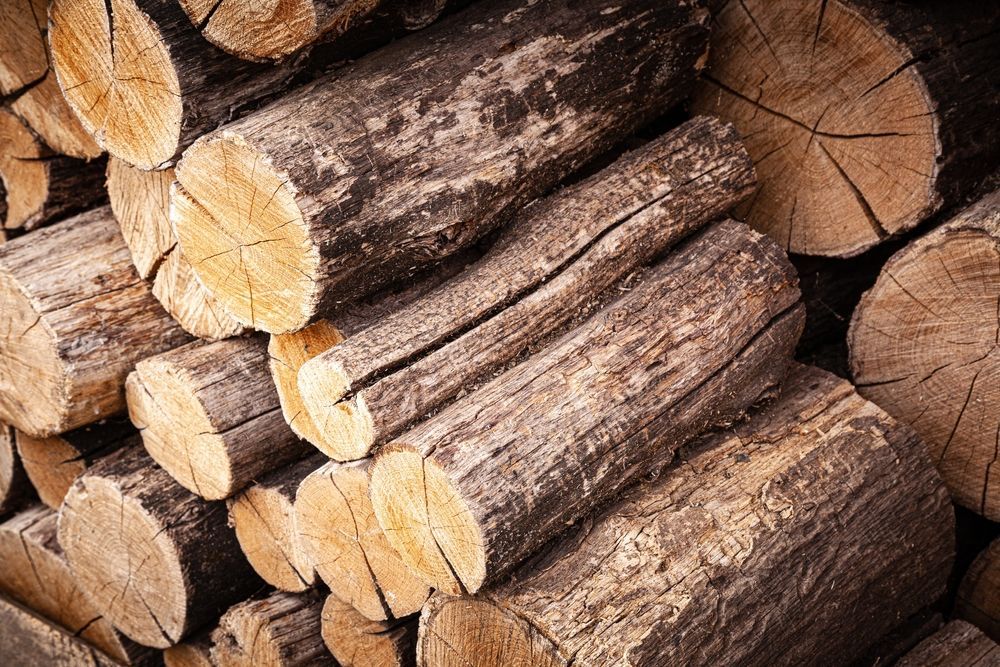
Once you receive a delivery of properly seasoned firewood, the difference is observable before you even strike a match — the ends of split pieces show visible cracking across the grain, the wood feels noticeably lighter than green wood of the same species, and the sound when two pieces knock together is a sharp crack rather than a dull thud. Those are the reliable indicators that the wood was cut, split, and stacked with enough lead time to actually season rather than just sit.
Because cord measure can vary depending on how wood is stacked and what unit size is being discussed — a full cord, a face cord, or a fraction — it is worth confirming the specific measurement being used when you order, so the quantity you receive matches what you planned for your storage space and seasonal needs.
Common Questions About Buying Firewood
These questions address how the wood is prepared, measured, and delivered — practical details that matter before you place an order.
What does it mean for firewood to be seasoned, and how can you tell?
Seasoning means the wood has been cut, split, and stored with adequate airflow for enough time to shed most of its internal moisture. You can check by looking at the end grain of a split piece — properly seasoned wood shows cracking and a lighter, grayish color rather than the bright, wet appearance of freshly cut wood.
How is firewood measured and what should you confirm before ordering?
Firewood is sold in cord-based units, but the terms used — full cord, face cord, rick — describe different stack volumes, so confirming the exact dimensions and quantity with the seller before ordering prevents mismatches between what you expect and what arrives.
Why does storing firewood correctly after delivery matter as much as how it was seasoned?
Even well-seasoned wood will reabsorb moisture if it is stacked directly on the ground or left uncovered in rain. Storing delivered wood off the ground on a rack or pallet, with the top covered but the sides open for airflow, keeps it in the same condition it was in when it left the property.
What affects how long a cord of firewood lasts through the heating season?
The rate of burn depends on the species — denser hardwoods produce more heat per load and last longer in the firebox than lighter species — as well as how frequently the fireplace or stove is used and how tightly the wood is loaded. Hardwood generally produces more sustained heat output than softwood of the same volume.
How do properties in Greenville with older wood-burning fireplaces typically factor delivery logistics?
Many homes on larger lots outside the city core have long driveways or gravel access roads, so confirming vehicle access and the drop location when you order helps ensure the delivery goes smoothly and the wood ends up close to where it will be stored.
MACK Land & Tree Management LLC also
sells firewood in Spartanburg, Greer, Simpsonville, Taylors, and Easley. To arrange an order, check on current inventory, or ask about delivery to your address, call (864) 982-8249 and speak directly with the team about what is available.