
Structures Removed, Sites Cleared Completely
Demolition in Greenville for older sheds, garages, and houses that need to come down before new construction begins
Rural and semi-rural parcels around Greenville commonly carry outbuildings and older structures that predate current construction standards—frame sheds, detached garages, and small houses built decades ago on larger lots that are now being prepared for a new build or replacement structure. Tearing those buildings down and clearing the lot is the work MACK Land & Tree Management LLC performs, from the initial walk-through to the final debris haul. Every job starts with a free on-site estimate so the scope, the debris removal plan, and what remains on the lot are confirmed in writing before any work begins.
The process begins with a walk-through where the crew confirms what is being removed and what must stay intact—a detail that matters on properties where a secondary structure, a utility line, or a shared fence line sits close to the building being demolished. The structure is then stripped and sorted on site, with materials separated and all debris hauled off the property. Confirm during the estimate conversation whether utility disconnects and any required permits are included in the quote or handled separately, since that affects how the job is sequenced and when demolition work can start.
Arrange a site visit with MACK Land & Tree Management LLC to confirm what is on the lot and receive a written estimate before any commitment is made.
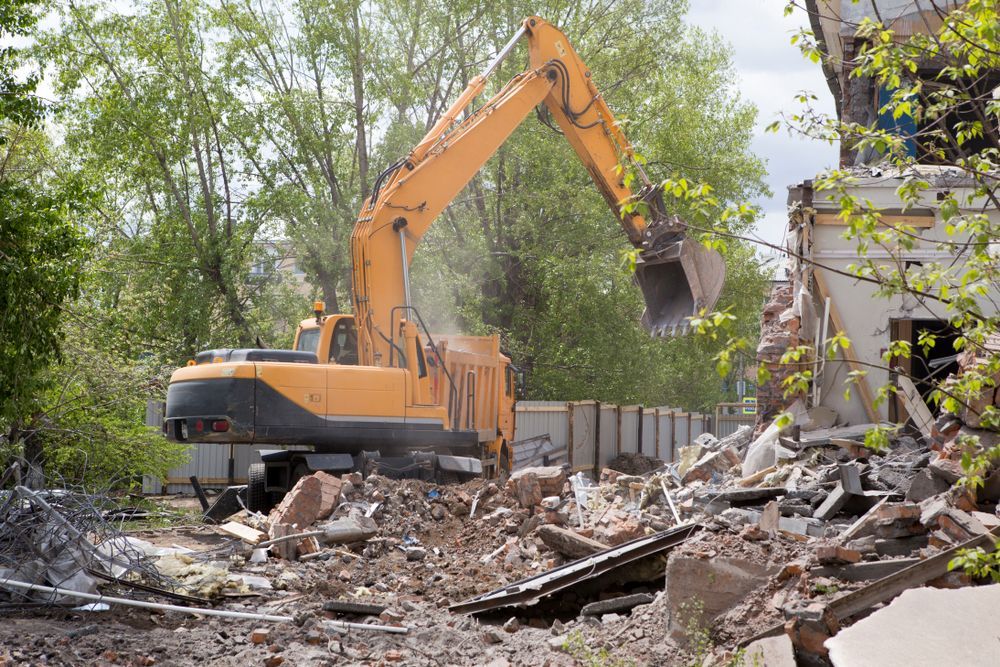
How Demolition Leaves a Site Ready for What Comes Next
Older outbuildings on Greenville-area parcels—particularly in areas like Travelers Rest and Powdersville where semi-rural lots tend to carry multiple generations of improvements—often contain mixed construction: concrete block foundations paired with wood-frame walls, corrugated metal roofing over older lumber, or poured concrete pads that extend beyond the building footprint. The crew sorts those materials on site because different materials leave the property through different disposal methods, and mixing them into a single load can create disposal problems off site.
When the work is complete, the lot is clear of debris and the former building footprint is accessible ground. A concrete slab or foundation may remain depending on whether its removal was included in the scope—that is a detail to resolve during the estimate walk-through, since breaking and hauling concrete adds equipment and time that change the cost. What you should see at the end is bare ground or a bare pad where the structure stood, with no loose material remaining on the property.
The on-site walk-through at the start of the job is the point where scope decisions get made: which parts of a structure are coming down, whether any materials are to be salvaged before demolition, and how close the equipment can work to structures that stay. Getting those answers confirmed before the crew starts prevents disagreements mid-job and ensures the lot looks the way you planned when the haul truck leaves.
Questions About the Demolition Process
These questions address how demolition work is scoped, sequenced, and completed on residential and rural parcels in Greenville.
What happens during the on-site estimate walk-through?
The crew inspects the structure, identifies what must be removed versus what stays, notes any access constraints or adjacent structures, and confirms debris handling so the estimate reflects the actual scope of the job.
How does the crew handle structures with concrete slabs or block foundations?
Concrete foundations are assessed separately from the above-grade structure—removing a poured pad requires breaking equipment and separate hauling, so whether that work is included needs to be specified in the estimate before demolition begins.
Why does the crew sort materials on site rather than loading everything at once?
Different materials—wood framing, metal roofing, masonry, and mixed debris—go to different disposal facilities, and sorting them during demolition avoids rejection or surcharges at the disposal site.
What should be confirmed about utility disconnects before demolition starts?
Power, gas, and water lines serving the structure should be formally disconnected by the utility provider before the crew begins, and confirming who coordinates that step—the homeowner or the demolition crew—determines how the job timeline is set.
How do older outbuildings on semi-rural Greenville lots affect the demolition sequence?
Buildings on larger parcels often lack full records of what utilities were run to them over the years, so the crew walks the structure and checks for active connections before any material is pulled, which adds a verification step that protects the surrounding property.
MACK Land & Tree Management LLC also performs
demolition work in Taylors, Greer, Simpsonville, Easley, and Spartanburg. To confirm the scope of your project and receive a firm estimate, schedule a walk-through of the property with the MACK Land & Tree Management LLC crew at your convenience.